
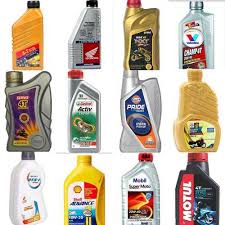
INTRODUCTION:
Engine oil is a specially designed lubricant that plays a vital role in the working of a bike engine. It forms a thin protective layer between moving parts, reducing friction, controlling heat, and ensuring smooth performance.
It works much like the fluid in human joints. When we move, this fluid prevents our bones from grinding against each other. Similarly, in a bike engine, oil prevents metal parts from rubbing directly against one another. Without engine oil, these metal components would create extreme heat, wear out quickly, and could even lead to complete engine failure within minutes.
However, unlike the human body, where joint fluid remains mostly the same, engine oil varies depending on the engine’s requirements. Factors such as engine speed, temperature, and load determine the type of oil needed. To meet these different conditions, various types of engine oils, such as mineral, semi-synthetic, and fully synthetic are developed, each designed for specific performance needs and riding conditions.
CHECK BEFORE BUYING OIL:
Viscosity Grade
engine parts don’t move smoothly. In contrast, during hot summer conditions, the oil can become too thin or even start to break down due to high temperatures, leading to overheating and unusual engine noise. These problems show how important it is for engine oil to perform well in both extreme cold and heat.
To solve this, engineers created viscosity grades like 10W-30 and 20W-40. The number before “W” (winter) shows how easily the oil flows in cold temperatures. The lower the number, the better for cold starts. The number after “W” indicates how well the oil maintains its thickness in high temperatures. Choosing the right viscosity based on your climate and engine needs ensures better performance, proper lubrication, and a longer engine life.
API Rating
Imagine you are a school-going student who studies well and actively participates in extracurricular activities, making you one of the best in your class. Your report card reflects your performance, effort, and overall quality. In the same way, the API rating of engine oil works like a report card; it tells you how good the oil is and how well it will perform inside your engine. A low-rated oil is like a student with poor grades; it may fail to protect the engine properly, leading to dirt buildup, increased friction, and faster wear.
On the other hand, a high-rated oil is like a top-performing student. It keeps the engine clean, reduces wear and damage, and improves overall efficiency. So, before buying engine oil, always check its API rating. Just as a report card shows a student’s true performance, the API rating reveals how reliable and high-quality the oil is in real-world conditions.
Type of Engine Oil
Imagine three riders with different needs: one commuting daily to college, another riding long distances on highways, and a third pushing a high-speed sports bike. Each bike demands a different type of engine oil based on usage and engine stress. Mineral oil is the most basic option, suitable for simple engines and daily commuting, but it requires frequent changes and isn’t ideal for long rides or heavy performance. Semi-synthetic oil offers a balanced choice, providing better protection and performance than mineral oil at a reasonable cost, making it suitable for moderate use and occasional long trips.
Fully synthetic oil is designed using advanced technology for high performance under extreme conditions like high speed and heat. It delivers superior protection, smoother performance, and longer engine life, making it perfect for sports and racing bikes. Ultimately, choosing the right oil depends on how you use your bike. Selecting the correct type ensures better performance, durability, and overall engine health.
Brand Reliability
Brand reliability plays a crucial role when choosing engine oil because it builds trust that the product will perform as promised. Well-known brands follow strict quality standards, while cheap or unknown oils may not meet proper specifications and can even be adulterated. Using low-quality oil might save money initially, but it can silently harm your engine by causing poor lubrication, overheating, and faster wear of internal parts.
A trusted brand ensures the oil is properly tested, reliable, and safe for your bike’s engine. Even if it costs a bit more, it delivers better performance, smoother operation, and long-term protection. In the end, investing in a good-quality brand helps extend engine life and prevents expensive repairs, making it a smarter choice overall.
Manufacturing & Expiry Date
Expiry refers to the point when a product is no longer safe or effective to use. After this, its value becomes almost zero, no matter how good it once was. Just like expired juice may look fine but can harm your health, using expired engine oil can seriously damage your bike’s engine. Old oil loses its key properties, fails to lubricate properly, may form deposits, and cannot protect engine parts from heat and wear.
That’s why checking the manufacturing and expiry date should always be your first step. Fresh oil ensures proper lubrication, smoother performance, and better protection for engine components. Choosing oil within its valid period helps maintain engine efficiency and increases its overall lifespan.
Compatibility with Your Bike
Every bike is designed differently, and its engine has specific needs. A small commuter bike and a high-performance sports bike require different types of oil, and using the wrong one can affect performance. It’s similar to giving the wrong diet to a person; it may not show immediate damage, but over time it can harm overall health, just like incorrect oil harms your engine.
To avoid this, manufacturers clearly recommend the right engine oil in the user manual based on engine design and usage. Following these specifications ensures smooth performance, better mileage, and longer engine life, making it essential to always choose oil as per the manufacturer’s guidelines.
RIGHT ENGINE OIL FOR YOUR BIKE:
Choosing the right engine oil depends on the type of bike you ride, as every bike has a different engine design, speed, and usage pattern. That’s why I have divided bikes based on their specific needs and performance to help you select the best oil. For each category, I will suggest the ideal type of oil, the correct grade, and also mention examples of bikes that are designed for that purpose. This will help you easily choose the right oil for better performance, improved mileage, and a longer engine life.
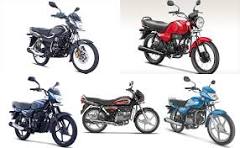
Commuter Bikes (100cc – 125cc)
Commuter bikes are the most common type of motorcycle used for daily travel and city riding. Their engines are designed for efficiency and reliability rather than high performance or speed. These bikes have simple engine designs and are commonly seen in models like Hero Splendor, Honda Shine, and Bajaj Platina. Based on their needs, they do not require very expensive oil, and mineral oil can work fine for basic usage.
However, using semi-synthetic oil is a better option as it provides improved performance and protection, especially in city traffic conditions where frequent stopping and starting create more heat and friction in the engine. This oil helps reduce wear, keeps the engine clean, and increases its lifespan. The recommended viscosity grade for commuter bikes is usually 10W-30 or 20W-40, but if you are on a budget, mineral oil is still a suitable choice.
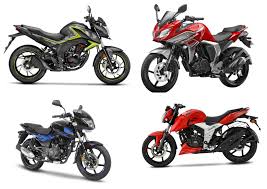
Mid-Performance Bikes (150cc – 250cc)
These bikes are designed for both city and highway riding, with more powerful engines that run at higher speeds compared to commuter bikes. Models like Bajaj Pulsar 150/220, TVS Apache RTR 160/200, and Yamaha FZ series fall into this category. Because of their higher speed and performance, these engines generate more heat and experience greater stress during operation.
That’s why they require better lubrication. Fully synthetic oil is the best choice for maximum performance, as it remains stable even during long rides and high temperatures. However, semi-synthetic oil can also be a good balanced option for regular use. The recommended viscosity grade for these bikes is usually 10W-30 or 10W-40, ensuring smooth performance, better protection, and longer engine life.
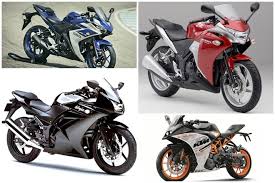
High-Performance Bikes (300cc and above)
These bikes are built for speed, racing, and high performance. Their engines run at very high RPMs and generate extreme heat and friction. Bikes like KTM Duke 390, Yamaha R15/R3, and Kawasaki Ninja series fall into this category. Because of their powerful engines and high-speed capabilities, they require the best possible lubrication to handle intense pressure and temperature.
For these bikes, fully synthetic oil is strongly recommended as it provides maximum engine protection and remains stable even in extreme conditions. Using semi-synthetic or mineral oil in such engines can lead to poor performance and potential damage, increasing repair costs. Synthetic oil ensures smoother acceleration, better engine performance, and long-term durability. At high speeds, normal oil can break down quickly, but synthetic oil is specially engineered to maintain its performance under stress. The recommended viscosity grade for these bikes is usually 5W-40 or 10W-40.
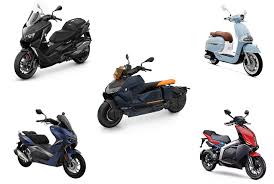
Scooters (Gearless Bikes)
Scooters are designed for comfort and smooth riding, mainly in city traffic. Their engines are different from motorcycles and usually run at steady speeds. Popular examples include Honda Activa, TVS Jupiter, and Suzuki Access 125. Since scooters are mostly used in traffic with frequent braking and acceleration, their engines tend to heat up, so they need good-quality oil to stay smooth and efficient.
For regular use, semi-synthetic oil is a good choice as it provides balanced performance and protection. However, if you want better engine life, smoother performance, and improved efficiency, you can go for fully synthetic oil. Choosing the right oil helps maintain engine health, reduces wear, and ensures a comfortable riding experience.
CONCLUSION:
Engine oil is one of the most important factors in keeping your bike running smoothly and efficiently. From simple commuter bikes to high-performance machines, every engine has different needs, and choosing the right oil plays a key role in protecting it. The correct oil reduces friction and heat, improves mileage, enhances performance, and increases overall engine life.
Now that we understand the key factors that make oil effective, such as viscosity and quality standards, it becomes clear how important it is to select the right oil for your bike. Making the right choice can prevent major problems and save you from costly repairs in the future. In the end, engine oil is not an expense, but an investment in your bike’s long-term health and performance.
KNOW MORE:
INTERNAL LINKS:
https://techman.live/the-technology-behind-engines-how-machines-turn-fuel-into-power/
https://techman.live/how-cameras-work-the-technology-behind-every-photo/
EXTERNAL LINKS:
https://india.gulfoilltd.com/blog/how-to-choose-the-best-engine-oil-for-bike