
INTRODUCTION:
Our world is rapidly evolving, and energy is essential for every advancing civilization. Traditionally, most of this energy has come from fossil fuels, which are non-renewable sources and release harmful gases that contribute to the greenhouse effect and climate change. As these environmental challenges grow, the demand for sustainable and clean energy solutions has increased significantly. Scientists and engineers are actively researching better alternatives that can meet our energy needs without harming the environment.
One of the most promising solutions is hydrogen energy. Hydrogen energy is abundant and, when used as a fuel, produces no harmful emissions—only water. Because of these advantages, hydrogen energy is emerging as a key player in the global transition toward clean power. However, hydrogen energy is not just a simple fuel; its true potential lies in the advanced technologies that enable its production, storage, and utilization. These innovations are driving what is now known as the hydrogen energy boom, shaping the future of energy.
TECHNOLOGY:
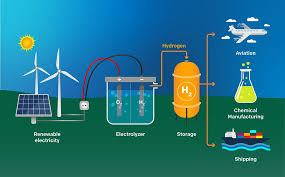
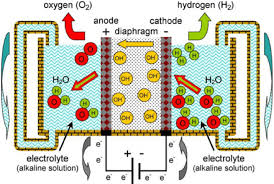
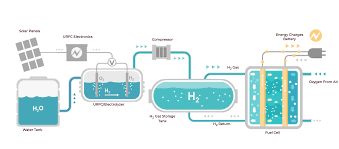
Scientists and engineers have been researching hydrogen energy for decades to develop effective and practical solutions. One of the main challenges in studying hydrogen is that it is highly reactive, yet it contains a large amount of energy. Additionally, hydrogen does not exist freely in nature, so it must be produced from other compounds. To solve this, engineers have developed advanced technologies to produce hydrogen efficiently. The most important method is the Electrolysis System, where electricity is used to split water into hydrogen and oxygen. When this electricity comes from renewable sources like solar or wind, the process becomes completely clean, producing what is known as green hydrogen. This breakthrough has made hydrogen a strong candidate for future energy systems.
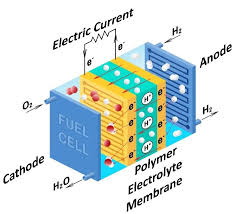
Once hydrogen is produced, it is used to generate energy through advanced Fuel Cell Engineering. In this process, hydrogen is converted into electrical energy using a fuel cell. Inside the fuel cell, hydrogen is split into protons and electrons. The electrons flow through an external circuit, generating electricity, while the protons combine with oxygen from the air to form water. This process is highly efficient and produces no pollution—the only byproducts are water and heat. In this way, hydrogen can be used as a clean and reliable source of electricity.
Hydrogen energy is gaining traction as industries look for sustainable solutions. This shift is essential for reducing our carbon footprint and addressing climate change.
Innovations in hydrogen energy are critical to meet future energy demands without the negative impacts of fossil fuels.
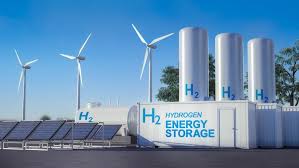
However, the next major challenge is storing hydrogen efficiently without losing the energy it carries. This is difficult because hydrogen is the lightest element, making it hard to store and transport safely. To overcome this problem, Energy Storage Technology plays a crucial role. Modern storage methods include high-pressure tanks that compress hydrogen gas, as well as liquid hydrogen storage at extremely low temperatures. In addition, advanced materials are being developed that can safely absorb and store hydrogen. These technologies make it possible to transport hydrogen securely and use it effectively when needed.
FUTURE IMPACT:
In the future, hydrogen energy has great potential to create a powerful impact on the global energy system. As technology continues to advance, hydrogen is becoming more affordable, widely available, and acceptable due to its abundance and environmentally friendly nature, making it a strong alternative to fossil fuels. In transportation, hydrogen-powered vehicles will provide clean mobility, offering fast refueling and long driving range, especially for heavy and long-distance travel. In the energy sector, hydrogen will help store excess renewable energy generated from sources like solar and wind, and supply it when these sources are not available, improving reliability and stability. With continuous improvements in Electrolysis Systems, Fuel Cell Engineering, and Energy Storage Technology, efficiency will increase and costs will decrease, accelerating its adoption worldwide. With strong support from governments and companies, hydrogen is set to become a key pillar of a clean and sustainable energy future.
At present, hydrogen is driving a major transformation in industrial sectors where reducing emissions has always been challenging. Industries such as steel, cement, and chemical production are among the largest contributors to pollution, but they are now beginning to adopt hydrogen as a cleaner alternative to coal and natural gas. This shift can significantly reduce carbon emissions and support global sustainability goals.
New methods like green steel production are emerging, demonstrating how hydrogen can replace traditional fossil fuels in energy-intensive processes. At the same time, advancements in fuel cell engineering are enabling industries to generate clean electricity efficiently. Energy storage technologies are also playing a crucial role by ensuring the safe and reliable use of hydrogen at a large scale.
In addition, modern electrolysis systems are making it possible to produce clean hydrogen in large quantities, further accelerating its adoption in industrial applications. With increasing investment and continuous innovation, hydrogen is rapidly becoming a key driver of industrial growth and a cornerstone of a sustainable future.
CONCLUSION:
In conclusion, hydrogen energy stands at the forefront of the global shift toward cleaner and more sustainable energy for the future. It has the ability to produce zero harmful emissions and offers a wide range of applications, making it a powerful solution to modern energy challenges. With advancements in technologies such as electrolysis systems, fuel cells, and energy storage, hydrogen is becoming more efficient, practical, and accessible.
As its adoption grows across industries, transportation, and power generation, hydrogen will play a crucial role in reducing carbon emissions and combating climate change. Although challenges such as cost and infrastructure still exist, continuous research, innovation, and investment are helping to overcome these barriers. Overall, hydrogen is not just an alternative fuel but a key driver in building a greener and more sustainable world for future generations.
As we look ahead, the role of hydrogen energy in achieving a sustainable future cannot be overstated. By integrating hydrogen across industries, transportation, and power systems, we can build a cleaner and more resilient energy ecosystem. This transition will not only reduce pollution and support efforts to combat climate change but also create new economic opportunities and jobs in emerging technologies. Investing in hydrogen infrastructure will be essential to ensure its accessibility, efficiency, and large-scale adoption. Ultimately, hydrogen energy represents a pivotal shift in how we produce and consume energy, and through continuous innovation and global collaboration, it has the potential to power a sustainable world for generations to come.
KNOW MORE:
INTERNAL LINKS:
https://techman.live/technology-behind-apple-airpods/
https://techman.live/asml-euv-lithography-from-impossible-idea-to-reality/
EXTERNAL LINKS: