
INTRODUCTION:
In every civilization, the level of development is closely linked to the amount of energy it uses. The more energy a society can access, the more modern and advanced it becomes. Even today, energy can be obtained from many sources such as wind, solar, and fossil fuels. Among these, fossil fuels remain the backbone of transportation, industries, and daily life. These fuels come from crude oil, often called “black gold,” which is a naturally occurring liquid found deep beneath the Earth’s surface. However, crude oil cannot be used directly. It is a complex mixture of different hydrocarbons that must be carefully processed in oil refineries to produce valuable fuels like LPG, petrol, diesel, and kerosene.
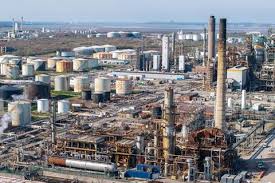
These transformations take place in highly advanced industrial facilities known as oil refineries. Refineries use sophisticated technologies such as fractional distillation, cracking, and reforming to convert crude oil into a wide range of useful products. Each product is carefully designed for specific applications, such as LPG for cooking, petrol and diesel for transportation, and other fuels for industrial energy needs.
TECHNOLOGY:
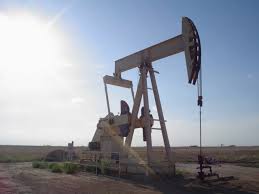
Now, let us understand the technology behind how crude oil is converted into useful products. The entire process begins with heating the crude oil in a large furnace at very high temperatures, usually around 350–400°C. The crude oil, which is obtained from oil extraction sites, is heated until it turns from a thick liquid into hot vapors. This conversion is important because it makes it easier to separate the different components. These vapors can then be processed further to extract useful products such as LPG, petrol, diesel, and kerosene.
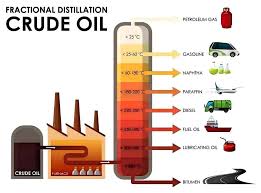
The next step is called fractional distillation, which takes place in a tall structure known as a distillation column. This column is specially designed so that it is hotter at the bottom and cooler at the top. When the hot vapours enter the column, they rise upward and gradually cool down. Because different hydrocarbons have different boiling points, they condense at different temperatures and are collected at different levels inside the column. Lighter products like LPG rise to the top, petrol and kerosene are collected in the middle, while heavier products such as diesel and bitumen settle at the lower levels. This process works like a systematic separation method, allowing crude oil to be divided into useful components
However, even after fractional distillation, some of the heavier fractions are not very useful in their original form. To solve this problem, engineers developed another refining process called cracking. In this process, large and complex hydrocarbon molecules are broken down into smaller and more useful molecules using heat, pressure, and catalysts. This step is very important because it increases the production of valuable fuels like petrol and LPG, which are in high demand and widely used in daily life.
Another important technology used in refineries is called reforming. In this process, the chemical structure of hydrocarbons is rearranged to improve the quality of fuel, especially petrol. Reforming increases the octane number of petrol, which helps engines run more smoothly and efficiently. This makes it a very important step in the refining process, as it enhances fuel performance and overall engine efficiency.
In the final stage, the fuels go through a purification process where unwanted impurities, such as sulfur, are removed. This step makes the fuel cleaner and helps reduce harmful emissions that directly impact the environment and human health. After purification, different products are blended to achieve the desired quality and performance. Finally, the refined fuels are stored in large tanks before being transported for use in transportation, industries, and daily life.
IMPACT:
Today, energy is easily available to the world largely because of oil refining technology. The production of fuels like petrol, diesel, and LPG has made transportation faster and more efficient, allowing people and goods to move easily across cities and even countries. This has played a major role in the growth of trade, industry, and global connectivity.
Refined petroleum products obtained from oil refining are also essential for powering industries and generating energy. Many vehicles, machines, and industrial systems depend on these fuels to operate smoothly and efficiently. Without these contributions, large-scale industrial development would not be possible. Oil refining has also played a key role in developing infrastructure such as roads, airports, and shipping systems, as many of the materials used in their construction are derived from crude oil.
However, the impact of fossil fuels is not only positive; it also has a negative side. The use of fossil fuels leads to environmental problems such as pollution and climate change. When these fuels are burned, they release greenhouse gases into the atmosphere, which contribute to global warming and can harm human health. Recognizing these issues, modern refineries are now adopting cleaner technologies and focusing on reducing emissions to minimize their environmental impact.
CONCLUSION:
In conclusion, oil refining is a complex yet essential process that transforms crude oil into useful fuels like LPG, petrol, and diesel through advanced technologies such as heating, fractional distillation, cracking, reforming, and purification. These processes help meet the energy demands of modern life by providing fuels for transportation, industries, and daily use. However, there is a growing need for cleaner and more sustainable technologies in the future to reduce environmental impact and ensure long-term energy security.
KNOW MORE:
INTERNAL lINK:
https://techman.live/hydrogen-energy-the-technology-behind-the-future-of-clear-power/
https://techman.live/asml-euv-lithography-from-impossible-idea-to-reality/
EXTERNAL LINK:
https://www.crownoil.co.uk/guides/crude-oil-fractional-distillation/